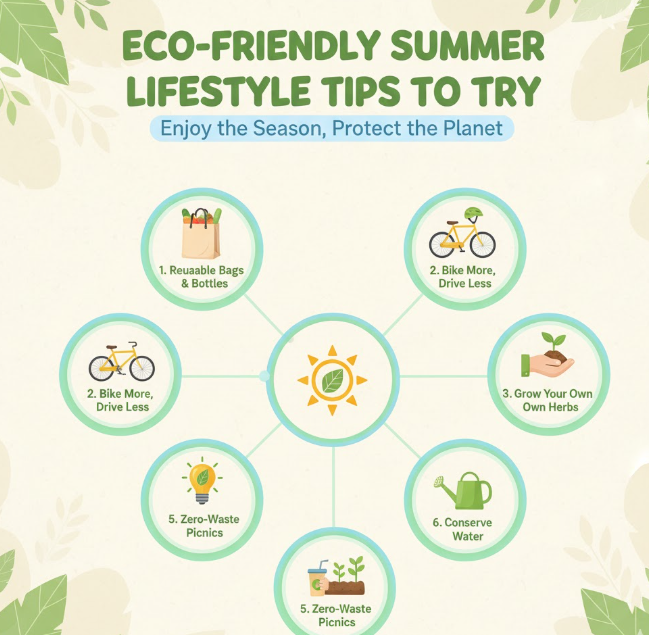
It’s summer, and we’re all looking forward to beach trips, barbecues and long days of sunshine — but the environment needs us to think a little bit differently this year. The good news? Leading an environmentally friendly summer lifestyle doesn’t have to feel like a sacrifice of comfort or fun. It’s all about making the smart choices that both help the environment and don’t ruin your summer.
Climate change is happening and summers are growing hotter. The last ten years alone finds some of the hottest summers ever recorded. But here’s the thing: we can simply make a few small changes to the way that we live over these months, and have an outsize positive effect. Whether you’re plotting out vacations, cooling down your apartment or simply frolicking outside, there are dozens of ways to minimize your carbon footprint that you might not even notice.
This guide will explain step by step how to actually do it (it’s easy, anyone can!). We’re sharing easy trade-offs, inventive solutions and lifestyle changes that will have you feeling good about your summer while giving Mother Earth a breather. From what you eat to how you travel, from your wardrobe choices to the backyard barbecue — everything can be either eco-friendly or not.
Ready to turn this summer into your greenest yet? Let’s dive in.
Rethinking Your Summer Wardrobe
Your closet is more powerful than you may realize when it comes to the environment. The fashion industry is one of the world’s largest polluters, but summer offers a golden chance to reverse that trend.
Choose Natural and Sustainable Fabrics
Give synthetic materials like polyester and nylon the brush-off, since they release microparticles of plastic when washed. Instead, opt for organic cotton, linen, hemp or bamboo material. They are breathable, great for hot weather and naturally biodegrade without harming the environment. Linen, in particular, is a summer winner for the ages — it breathes well, it lasts forever and less water and pesticides are needed to grow linen than conventional cotton.
Shop Secondhand and Vintage
Consignment shops and secondhand buffs are a gold mine of great summer finds. Purchasing secondhand helps keep clothing out of landfills and lowers the demand for new production. And, you’ll pick up some unique pieces that no one else will be wearing. If you’d rather shop from home, online secondhand shopping is made super easy with apps like Depop, Poshmark and ThredUp.
Organize Clothing Swaps
Throw a clothing swap party with friends or neighbors. Everyone brings the clothes they don’t wear, you take an item if you want. And it’s free, fun, social — and entirely sustainable. You update your wardrobe without buying new clothes or adding to textile waste.
Care for What You Already Own
The most sustainable garment is the one already in your closet. Wash clothes less often (summer fabrics like linen look better slightly rumpled anyway), air-dry instead of using a machine dryer, and mend small rips or lost buttons rather than discarding the items. (Good thing basic sewing is a cinch and that just about everyone should know how to do it.) And you can bet learning the basics of sewing could give your prized pieces years’ extra use.
Green Cooling For Your Home
Air conditioning can often represent nearly half of your summer electricity bill, and it’s a major contributor to greenhouse gas pollution. But there is no need to sweat it out, literally.
Strategic Window Management
Shut blinds, curtains, or shutters when it’s hottest outside (generally 10 a.m. to 4 p.m.) to keep the heat out. During the cooler parts of the day (the early morning and late evening), open up windows on opposite sides of your home to encourage cross-ventilation. This simple method can cool indoor temperatures a few degrees with no electricity needed.
Invest in Fans Wisely
Instead, ceiling fans and portable fans use approximately 98% less energy than air conditioning. In summer, ensure that ceiling fans spin in the counter-clockwise direction to move cool air downward. DIY air conditioner: You can make a homemade swamp cooler using a few simple items and some ice, which works astonishingly well for cooling small spaces.
Plant Trees and Create Shade
If you’re a homeowner (and within limits, even if you rent) plan to plant deciduous trees on the southern and western exposures for all-natural summer shade. These trees are deciduous and shed their leaves in winter, letting light through to warm your home when you want it. Even apartment residents can have potted plants or window boxes — vegetation cools the air around it through natural evaporation.
Switch to Energy-Efficient Cooling
If you have to use your AC, keep the temperature on your thermostat set at 78°F (26°C) or higher. Each degree lower uses about 3-5% more energy. If it is over 10 years old, consider replacing it with an ENERGY STAR-certified model—new ones are much more efficient.
| Cooling Method | Energy Use | Cost Effectiveness | Environmental Impact |
|---|---|---|---|
| Central AC (72°F) | Very High | Low | High emissions |
| Central AC (78°F) | Moderate | Moderate | Moderate emissions |
| Window AC Unit | Moderate | Moderate | Moderate emissions |
| Ceiling Fans | Very Low | Very high | Very low emissions |
| Natural Ventilation | Zero | Highest | Zero emissions |
How to Eat Sustainably in the Heat
Summer is also prime time for fresh, local produce, which means that eating sustainably is easier now than any other time of year.
Hit Up Farmers Markets
Support local farmers markets where you can purchase fruits and vegetables that were picked at the ripest, which provide superior taste and nutrients. Food hasn’t traveled thousands and thousands of miles in refrigerated trucks, which is a major reduction in carbon emissions. Add to that you are supporting your local agriculture and can talk with the growers themselves about their practices. Bring your own bags and containers to avoid single-use plastic.
Grow Your Own Food
You don’t need a huge yard to grow food! Use tomatoes, peppers, herbs, lettuce or cucumbers to grow in containers on a balcony or patio. There is something incredibly satisfying about eating food that you have grown yourself, and nothing could be more local than your own doorstep. Seeds are inexpensive, and many vegetables are, in fact, rather low maintenance.
Embrace Meat-Free Meals
Environmental effects: This is the big one. Livestock farming cranks out more greenhouse gases than all forms of transportation combined. Summer is the ideal time for plant-based eating — big, fresh salads, grilled vegetables, fruit smoothies and cold gazpacho. You don’t have to become a vegetarian, but even scaling back to “Meatless Mondays” or trying for just one plant-based meal each day really helps.
Preserve Summer’s Bounty
If produce is plentiful, cheap, grab an extra and can it. The berries: Freezing and freeing Pickling vegetables, making jams or spreads (desired with the aforementioned sourdough bread), preserves or jus to reduce food waste and preserve summer flavors year-round. These preserved foods, in turn, translate into fewer grocery store runs during other seasons.
Reduce Food Waste at Barbecues
It’s nearly impossible to avoid creating a ton of food waste at summer parties. Portion your plans carefully; encourage guests to take leftovers home in reusable containers and compost food scraps. Establish clearly marked recycling, compost and trash bins, so people know what to do with stuff.

Getting Around Without Burning Gas
Transportation is responsible for a large share of carbon emissions, though the summer weather makes environmentally sound travel much easier.
Bike Everywhere Possible
Cycling is zero-emission, wonderful exercise and often faster than driving in crowded cities. Invest in a good bike lock, learn some basic maintenance and green-light safe routes using apps like Google Maps or Strava. Most cities are building more bike lanes and infrastructure that make cycling safer and easier than ever.
Walk for Short Trips
Americans get behind the wheel for trips that are literally walkable — research indicates that 40 percent of car trips are under two miles. If you’ve got half an hour and it’s not miserable outside, walk instead of drive. You will see details of your neighborhood you’ve never seen from a car, and it’s great for the mind.
Use Public Transportation
Buses, trains and subways carry scores of people using the energy equivalent of just a few automobiles. Some cities have reduced summer passes or special fare cards. Yes, it might take a little longer, but you can read, listen to podcasts or do work on your way in instead of sitting in traffic stressing out.
Carpool and Rideshare
When you have to drive, if possible don’t go alone. Organize carpools for the usual suspects, whether it’s work or kids’ sports or trips to the beach. Apps like Waze Carpool or less-modern day share-arrangements with neighbors can help reduce the number of cars on the road by half.
Choose Eco-Friendly Road Trips
For a summer road trip, those who don’t drive a hybrid or electric: Rent. Drive at the moderate speed circuit (75 miles per hour vs. 65 miles per hour decreases fuel economy by about 15 percent), maintain properly-inflated tires, and don’t keep roof racks on when not in use to minimize drag. Travel light — every 100 pounds over your vehicle’s weight limit lowers fuel economy by about 1 percent.
Water Conservation During Peak Usage
The summer is the season of greatest water use, and puts strain on municipal systems as well as natural reservoirs.
Shorten Your Showers
The average shower requires 2.5 gallons of water every minute. Shaving a mere two minutes off your shower saves 5 gallons. Install a low-flow showerhead and cut your use by as much as 50% all without the typical loss of pressure! Name it: Time yourself (with a waterproof timer or phone).
Water Your Garden Smartly
Water plants in the morning, or cool evening as there is less evaporation. If your landscape includes water-hungry plants, look into alternatives to sprinklers like soaker hoses or drip irrigation systems that deliver moisture straight to the roots with virtually no waste. Use barrels or whatever you have to, for watering your garden with rain water; it’s also a way to keep costs down as some of the towns allow rebates if people put in a good size rain collector.
Mulch Everything
Mulching Mulch plants with a 2-3 inch void of mulch to hold moisture, decrease evaporation, control weeds and moderate soil temperature. Organic mulches such as wood chips or straw also decompose and add to the soil over time.
Fix Leaks Immediately
A dripping faucet can waste more than 3,000 gallons a year — enough to fill a swimming pool! Inspect toilets, outdoor spigots and hoses for tight seals. And at any rate, most hardware stores have cheap repair kits and YouTube videos walk you through nearly anything.
Use Native Plants
Plants native to your area evolved perfectly adapted to your local conditions, and once they’re established, require little care in the form of watering. They are also friendly to local pollinators and wildlife. Remove those thirsty grass lawns and install native wildflowers, grasses or ground covers that are not only beautiful, but for which you’ll do just a fraction of the maintenance. Learn more about native plant gardening from the National Wildlife Federation.
Hosting Sustainable Summer Gatherings
Parties and seasonal gatherings are summer hallmarks, but they also tend to produce mountains of waste.
Ditch Disposables Completely
Disposable plates, cups and utensils are convenient and egregious for the environment. Serve on real dishes even at casual meals — washing them requires less water than you might imagine. Additionally, if disposables are a must, opt for compostable ones that are made from bamboo or palm leaves — and also definitely compost them.
Prepare a Self-Serve Beverage Bar
Instead of selling drinks in individual bottles or cans, serve them from big dispensers with reusable cups. Prepare a large pitcher of iced tea, lemonade or infused water. It costs less, is less wasteful and looks more festive. If alcohol will be served, use sangria or punch in the same way.
Buy in Bulk
Buy snacks, condiments and other ingredients in the 16 ounce rather than singles. Transfer to serving bowls at the party. This cuts packaging waste to the bone and usually cuts costs, to boot.
Grill Vegetable-Forward Meals
Grilled vegetables are tasty, impressive and far better for the environment than meat. Perhaps grilled corn, zucchini, peppers or portobello mushrooms or vegetable skewers. You can still have some meat, but it should be a small part of the meal, not the star.
Create a Waste Station
It should be easy for guests to do the right thing, if you make it that way: Provide clearly labeled compost and recycling bins, along with a place to put trash. Appoint a volunteer “waste monitor” to preside over the area (kids usually love it) and coach guests as they sort.
Eco-Conscious Summer Entertainment
Good times don’t have to come at the expense of the planet — indeed, many of the best summer activities are inherently eco-friendly.
Explore Local Natural Areas
Hiking, swimming in lakes or rivers, having a picnic in the park are free, good for you and environmentally negligible. Hikes and nature trails by you: most folks are shocked at what is within a one hour drive. Leave No Trace principles are the key to keeping these places beautiful for all.
Attend Outdoor Movies and Concerts
Many towns and cities provide free outdoor entertainment in the summer. They’re inherently social and sustainable, since you’re walking or biking somewhere central as opposed to everyone driving to the theater in their own vehicles.
Start an Outdoor Hobby
Birdwatching, nature photography, stargazing or foraging are interactive hobbies that get you into nature without much equipment. Libraries frequently lend out equipment like binoculars or telescopes via “library of things” programs.
Volunteer for Conservation Projects
Construction comes year-round, but green-boosting projects like beach cleanups, trail maintenance, tree planting and wildlife checks intensify in summer. You’ll make like-minded friends, be outdoors and when you look at the success stories from your area — that’s where you made a change! Groups such as the Sierra Club, local parks departments and environmental nonprofits always need volunteers.
Have Tech-Free Days
Set aside days or time periods that are electronics free. This saves a lot of energy and allows you to rediscover simpler pleasures reading paperback books, playing outdoor games or having conversations in person.
Sustainable Sun Protection
It’s vital to shield your skin from summer sun, but many traditional armor give marine ecosystems a pounding.
Choose Reef-Safe Sunscreen
The chemicals oxybenzone and octinoxate in most sunscreens lead to coral bleaching and kill aquatic life. Choose a mineral sunscreen containing zinc oxide or titanium dioxide. Brands such as Badger, Raw Elements and Stream2Sea are solid choices.
Wear UPF Clothing
UPF fabric and/or clothing can remove the hassle of having to repeatedly apply sunscreen without diminishing its sun protection quality. Wear long-sleeve rash guards, hats and pants to protect your skin while cutting down on the amount of sunscreen you use. And many are constructed with recycled materials.
Seek Shade During Peak Hours
The sun’s rays are at their strongest between 10am and 4pm. To avoid excessive sun exposure, plan your outings in the morning or at the end of the day when it is cooler.
Use Natural After-Sun Care
Aloe vera (grow your own plant — they are almost impossible to destroy), coconut oil and cucumber slices for sunburned skin are natural remedies sans the chemical additives lurking in so many drugstore products.

Making Your Summer Travels Greener
It’s vacation season, and travel choices matter for the carbon footprint.
Choose Closer Destinations
There is no mode of travel more carbon-intensive than flying. Look to great places within an easy-drive, or trains for mid-range. Yet many people miss amazing places right in their own region while dreaming of an oceanside getaway.
Stay Longer in Fewer Places
Several short trips create more emissions than one longer vacation. If you do travel, go somewhere and stay there for a while instead of hopping around. You get a more authentic experience — and it’s good for transportation emissions.
Book Eco-Certified Accommodations
Search for hotels or rentals with environmental certifications like Green Key, LEED and the like. These properties utilize renewable energy, save water and recycle. Vacation rentals often allow for meal preparation and laundry, which can cut down on restaurant waste and disposable packaging.
Support Local Economies
Eat at mom-and-pop restaurants, purchase from local artists, and schedule tours with homegrown guides instead of international chains. This keeps money in the community and reduces reliance on importing goods and services.
Offset Unavoidable Emissions
Travel only when necessary, and offset any other carbon. Imperfect though it may be, offsets finance projects like reforestation and renewable energy that can balance out your travel emissions.
Frequently Asked Questions
How much would these green tips actually save me?
Most people save between $200 and $500, too, by laying off the AC, cooking more meals at home and cutting out those unnecessary car trips. Long-term savings from buying secondhand clothes and cutting waste can rack up to thousands annually.
Are eco-friendly products more expensive?
Some are more expensive up front, but most are eventually cheaper. Reusable water bottles run $15-30, but replace hundreds of dollars worth in bottled water. LED bulbs cost more up front, but they last 25 times as long as traditional lightbulbs and use 75 percent less energy.
Can one person actually do anything?
Absolutely. One person applying these tips will have saved approximately 2-3 tons of CO2 per summer. When thousands or millions take these sorts of steps, their cumulative effect can be enormous. And by showing that and doing it, your physical behavior gets other people in your life to do the same thing.
Is there one thing that will maximize the benefit?
The largest immediate impact for most people will be in reducing car use. If you can get a quarter of car trips substituted with biking, walking or transit, that’s several hundred pounds of CO2 per month you’re cutting.
How do I get my family to do these things?
Begin with low-hanging fruit, with easy wins that save money or make it easier to live well. Demonstrate leadership rather than lecture, man. Make it fun — challenge your kids or make a game out of it. When people can see gains, they are more likely to accept larger changes.
What if I’m a renter and am unable to make home improvements?
This doesn’t have to be permanent. Emphasize that members can also begin by making project commitments or behavior changes, such as managing windows, using a fan, buying local food, changing transportation or being mindful of waste. Portable objects like plants, fans and the energy-saving lightbulbs can travel with you.
Do plant-based diets really help the environment?
Yes. One pound of beef generates 25 times as many greenhouse gases in its production as one pound of plant protein. You don’t have to be a vegetarian at all — even an approximately 50 percent reduction in meat is associated with substantially better health and vastly less harm to the environment.
How do I keep cool in extreme heat without air-conditioning?
Combine strategies: Close windows against heat, open them at night, use fans strategically to circulate the coolest air in your home if you have it; wear lightweight natural clothing fiber and drink plenty of water; or chest-high cool showers and spend hottest hours in naturally cooler places like basements or public spaces like libraries.
Taking Action This Summer
It’s not about perfection when it comes to creating a greener summer lifestyle. It’s about progress. You don’t have to follow every single suggestion in this article in order to make a difference. Begin with three or four modifications that seem doable and work from there.
The good news about summer is that there are a lot of ways you can be more sustainable and they totally compliment fun plans. Cycling to the farmer’s market on a Saturday morning. Growing tomatoes on your balcony. Picnicking in a park instead of dining at a restaurant. These aren’t sacrifices — and they are often more pleasurable than the traditional options.
Remember that every choice matters. Every time you opt for a reusable bag, take the bike instead of the car, choose not to eat (an effect that some philosophical traditions refer to as nonbeing), and reduce your consumption levels or cut something out altogether, it counts. When you engage in these behaviors, not only are you lessening your own impact, but you’re setting an example for everyone around you.
This summer can be different. It is cooler (in the literal and figurative senses), healthier, more natural and mindful. Your wallet will thank you, your body will thank you, and most crucially the planet will thank you.
The climate crisis can seem overwhelming, but summer is the ideal time to take significant actions to help — in a manner that actually improves your quality of life instead of making it worse. Whether at home, on vacation or amidst a long sunny evening, you now have the tools to make decisions that align with both your happiness and planet’s well-being.
Let this be the summer when you remember that living sustainably isn’t about doing without, but about connecting with the world around you on a deeper level and taking responsibility for leaving it better than you found it. The planet needs us, and summer is the right time to respond when it calls.