Summer is here, and with the long, sunny days come outdoor adventures — along with that common late-afternoon slump which warmer temperatures can bring about a downfall of energy akin to ice melting on hot pavement. Whether you’re at the beach, working from home or just trying to survive another blazing day, what we eat can mean the difference between feeling sluggish and being powered up.
The right summer snacks are more than just satisfying to hunger. They keep your body cool, replenish lost nutrients from sweating and offer a constant source of energy without weighing you down. No more heavy, greasy grub that makes you feel sluggish. This guide will direct you to some of the best snacks that go with, not against, your own internal reaction to hot weather. From hydrating fruits to protein-packed nibbles, you’ll find 11 easy choices that taste great and make you feel better all day long.
Why Summer Snacking Is Different
Your body has to work more to keep cool in hot weather than you might think. You sweat more to cool down and lose water and important minerals known as electrolytes. Your metabolism also shifts — you may find yourself ravenous for heavy meals or needing a nutrition jolt several times throughout the day.
Summer snacking requires a different tack. You want foods that:
- Hydrate your body
- Easy to digest, without you feeling stuffed up
- Replenish lost electrolytes, such as sodium, potassium and magnesium
- Give a quick rush of energy + sustained support
- Won’t spoil easily in heat
The point is not just to eat when you are hungry. It’s selecting snacks that help keep your energy stable, your body temperature regulated and your hydration levels high.
Some Fruits That Can Kick-start Your Energy Levels
A custom it to eat fruit in the summer. Fruits are mostly water, which is very hydrating. They also contain lots of natural sugars that give you a shot of quick energy, and fiber to make sure that burst of energy lasts longer.
Watermelon: The Hydration Champion
Watermelon isn’t just delicious — it’s also 92% water. Just one two-cup serving comes with a nearly full glass of water and vitamins A and C, as well an amino acid called citrulline to help you combat muscle soreness: Great news post-swim or bike ride!
For a cold treat that cools you from the inside out, freeze watermelon cubes. You can also purée it with a squirt of lime and a pinch of salt for an electrolyte-replacing pick-me-up.
Berries: Small but Mighty
Berries such as strawberries, blueberries, raspberries and blackberries are full of antioxidants that help with heat stress to the body. They are portable in a small container and don’t require refrigeration for up to a few hours.
Combine various berries for multiple flavors and nutritional benefits. Throw in some chopped nuts or a dollop of Greek yogurt to give them extra heft.
Oranges and Citrus Fruits
Vitamin C in oranges, grapefruits and clementines will help keep your immune system strong in the summer months when germs are easily spread at public pools and crowded beaches. You can also use that peel to repel bugs: The peel contains natural citrus oils, and rubbing it on your skin will help keep the bugs away.
Freeze orange slices and suck on them as you would a popsicle. The icy juice drips slowly down, leaving you thirst quenched for longer.
Tropical Powerhouses
Mangoes, pineapples, and papayas offer serious nutrition as well as tropical flavor. Mangoes contain more than 20 vitamins and minerals. Pineapple has bromelain, an enzyme that decreases inflammation and aids digestion. Papaya is easy on the stomach and full of vitamins A and C.
Dice and add these fruits to make a tropical salad. Sprinkle some chili powder and a little lime juice for the tequila-infused Mexican snack to take up a notch.
Vegetables That Crunch and Refresh
Vegetables should not be an afterthought in your plans for summer snacking. Lots of veggies are just as hydrating as fruit but with less sugar, which can be great for people watching their blood sugar or looking to cut calories.
Cucumber: Almost Pure Hydration
The most hydrating food you can eat! They also happen to have super low calories (just 16 per cup) while still being surprisingly filling thanks to all that water and fiber.
Cut cucumbers into thick slices and slather with hummus, cream cheese or everything bagel seasoning. Create cucumber “sandwiches” by assembling tuna or chicken salad between two thick slices.
Bell Peppers: Sweet and Crunchy
Bell peppers are sweet but have very little sugar. With three times more vitamin C than an orange, they will also help your skin defend itself from the sun.
Slice peppers into strips, and pack them with single-serve guacamole or ranch dip. The crunch isn’t unpleasant and the bright colors make eating them fun.
Cherry Tomatoes: Portable Nutrition Bombs
Simple to pop in your mouth, these mini tomatoes require no prep work — though you could cut them in half if desired. They have lycopene, a powerful antioxidant that does actually help shield your skin from sun damage (not that you can skip sunscreen!).
Combine cherry tomatoes with mozzarella cheese cubes and fresh basil leaves. Drizzle with olive oil and balsamic vinegar for a fast caprese snack.
Celery: The Forgotten Hero
Celery has an unfair reputation for blandness, but as one of the vegetable world’s highest water-storing veggies (it’s 95% water), I think its watery goodness should be celebrated! It also has important electrolytes and even compounds that could help reduce blood pressure on stressful hot days.
Scoop peanut butter into celery sticks and crown with raisins for old school ants on a log. Or smear cream cheese on the inside and sprinkle with everything bagel seasoning.
Protein-Rich Options for Lasting Energy
Your fast-acting burst of energy comes from the carbohydrates in fruit, while protein gives you sustained power to get through the day. In fact, summer is really the best time for protein snacks, which are essential for maintaining muscle while you’re more active outside.
Greek Yogurt: Creamy and Filling
Greek yogurt contains double the protein content of regular yogurt (usually, 15-20 grams per serving). It’s chock full of probiotics that help keep your digestive system happy, which can be helpful when you’re traveling during the summer.
Opt for plain Greek yogurt and add your own serving of fruit and honey to control sugar. For frozen yogurt bites that can rival any ice cream shop’s wares, freeze the yogurt in ice cube trays or small cups.
Hard-Boiled Eggs: Nature’s Perfect Package
A large egg has 6 grams of complete protein and contains all nine essential amino acids your body needs. They are also an excellent source of B vitamins, which are needed to convert food into energy.
Have a bowl of peeled hard-boiled eggs chilling in your cooler or refrigerator. Salt and pepper them, or mash with avocado for easy egg salad. They’ll keep for about a week.
Jerky and Dried Meat
Beef jerky, turkey jerky and beef sticks are highly portable and do not require refrigeration. They are protein-dense, and fill you up fast. Find brands with lower sugar and sodium for healthier choices.
Eat the jerky with fresh fruit, for a sugar hit to balance out the salt. That means that the protein and carbs in peanut butter provide quick and long-lasting energy to help keep you going all day.
Edamame: Plant-Based Protein
Fun to eat, these young soybeans are packed with plant protein (about 18 grams per cup) and live probiotics that help in the digestion of nutrients. They are also a good source of fiber, iron and calcium. They are generally sold fresh or frozen in any grocery store.
Invest in a box of frozen edamame and store in your freezer. Boil for 5 min, drizzle and stir with sea salt. Eat the beans warm or cold by popping them out of their pods.
Good Fats That Keep You Going, But Don’t Weigh You Down
Your brain is a fat machine, it loves fat, and good fats help to facilitate the absorption of vitamin A, D, E and K – which are all pretty important when out soaking up those summer rays. The trick is to use fats that don’t leave you feeling heavy.
Nuts and Seeds: Portable Powerhouses
Small packages of almonds, walnuts, cashews, pumpkin seeds and sunflower seeds are loaded with healthy fats combined with protein and fiber. They portion well into small bags for the beach or hikes.
Mix different nuts and seeds with dried fruit and dark chocolate chips for homemade trail mix. Limit serving sizes to the palm of your hand — nuts are calorie-dense, so a little bit goes a long way.
Avocado: Creamy Nutrition
Avocados are rich in heart-healthy monounsaturated fats and boast nearly 20 vitamins and minerals. They’re also paradoxically hydrating and can help your body to sustain stable energy levels.
Half an avocado sprinkled with salt, pepper and lime juice right out of the skin, eaten with a spoon. Mash avocado on whole-grain crackers or rice cakes, for a heartier snack.
Nut Butters: Spreadable Energy
Peanut butter, almond butter, cashew butter and sunflower seed butter all provide you with protein, good fats and satisfaction. Search for varieties with one or two ingredients only — nuts, and possibly salt.
Spread nut butter on apple slices, celery or whole-grain bread. You can also stir a spoonful into Greek yogurt or oatmeal for additional creaminess and staying power.
Smart Carbohydrates for Quick Fuel
Carbs are not all one and the same. Opt for more complex carbohydrates that take a while to break down, instead of the sugar crash from candy and soda.
Whole-Grain Crackers and Rice Cakes
These are complex carbohydrates which gives slow release energy. Opt for crackers that have at least 3 grams of fiber per serving and are relatively low in added sugars.
Top whole-grain crackers with slices of cheese, hummus or smoked salmon. Avocado or almond butter and sliced banana are delicious with rice cakes.
Popcorn: The Whole-Grain Snack
It’s a whole grain that, when air-popped, is surprisingly filling for a minimal calorie investment. A 3-cup serving of air-popped popcorn has just 100 calories and provides you with 3.5 grams of fiber.
Pop your own corn and skip the fake butter. Experiment with seasoning such as nutritional yeast, cinnamon and sugar or parmesan for different flavors.
Granola and Granola Bars
Select granola bars wisely — many are no more than candy bars in disguise. Try to find bars whose first ingredient is whole grains, with a minimum of 3 grams of fiber and less than 10 grams of sugar.
Whip up your own no-bake granola bars with oats, honey, nut butter and dried fruit. They keep in the fridge and you know just what’s going into them.
Cold Treats That Actually Nourish
There is no need to give up frozen confections in summer. It’s just that you want shrewder ones — ones that deliver nourishment with the cooling.
Frozen Fruit Bars
Can’t find a whole-fruit pop at the store? Make your own: Purée fruit with a bit of juice (or coconut water) in a blender, then pour into popsicle molds. You have all the vitamins and minerals of fresh fruit, in a chill frozen version.
Watermelon-lime popsicles, strawberry-banana bars or mango-coconut treats are all worth a shot. Toss in Greek yogurt for creamy, protein-packed versions.
Smoothie Bowls
These are essentially smoothies that are designed to be thick enough to require a spoon. Purée frozen fruit with a bit of milk or juice until thick; pour into a bowl and top with granola, nuts, coconut and fresh berries.
Together, you get hydration and vitamins, protein and healthy fats — plus, of course, some carbs in one Instagrammable bowl. And the toppings provide lots of delightful crunch.
Frozen Grapes and Banana Bites
Freeze grapes and they are like little sorbet balls, naturally sweet and so refreshing. Dipped in dark chocolate, frozen banana slices are a healthier version of chocolate-covered ice cream.
ALWAYS have a little container of frozen grapes in the freezer. They’re great for hot afternoons, when you need something cold right this minute.
Thirst-Quenching Drinks That Count as Snacks
Sometimes what you drink can be just as important as what you eat, especially when the summer heat sends your fluid needs soaring.
Coconut Water: Nature’s Sports Drink
Coconut water provides five key electrolytes: sodium, potassium, calcium, magnesium and phosphorus. It has less sugar than most sports drinks, but it’s just as good at rehydrating. Learn more about the benefits of staying hydrated during summer from nutrition experts.
Drink coconut water as-is or freeze it into ice cubes and add to regular water. The natural sweetness gives plain water something to hang its hat on without added sugar.
Smoothies: Drinkable Meals
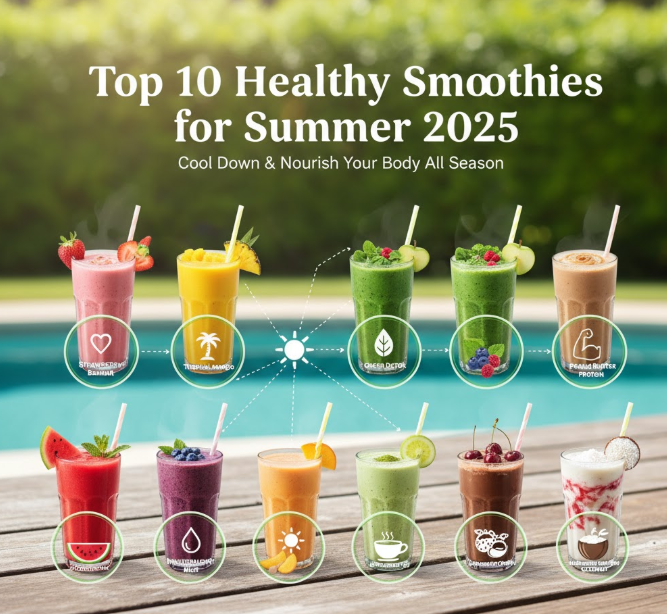
A well-crafted smoothie can work as a whole snack, with protein, healthy fats, carbs and vitamins. The secret is a balance of ingredients so it’s not just fruit juice in disguise.
Begin with a base of Greek yogurt or milk, toss in the fruit that’s been in your freezer since lockdown began, throw in some spinach (you won’t even taste it) and blend it with a spoonful of peanut or almond butter. This offers you a nutritionally balanced snack in a sip.
Infused Water: Flavor Without Sugar
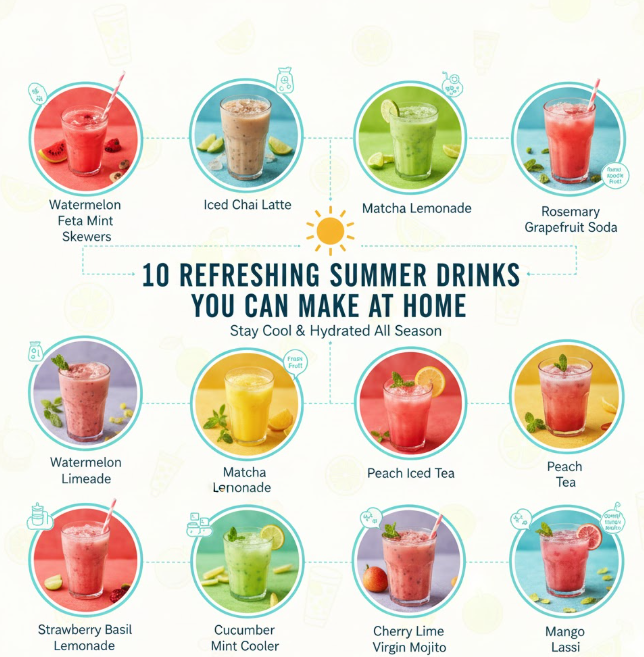
If plain water is boring to you, make it more interesting by infusing it with fruits, vegetables or spices. Don’t discount zero-calorie cucumber-mint, strawberry-basil or lemon-ginger water to add a dash of excitement.
Make a pitcher in the morning and park it in the fridge. By the afternoon, you’ve got tasty water that keeps you drinking.
Quick Energy Comparison Chart
| Snack Type | Energy Speed | Hydration Level | Portability | Best Time |
|---|---|---|---|---|
| Fresh Fruit | Fast | High | Good | Morning, Post-Workout |
| Vegetables + Dip | Medium-High | Moderate | Good | Anytime |
| Greek Yogurt | Medium | Low | Poor | Morning |
| Nuts/Seeds | Slow | Low | Excellent | Between Meals |
| Hard-Boiled Eggs | Med-Low | OK | Good | Morning, Afternoon |
| Smoothies | Fast-Med | High | Poor | Morning |
| Whole-Grain Crackers | Med-Low | Low | Excellent | Afternoon |
| Frozen Fruit | Fast | High | Poor | Afternoon, Evening |
Make Your Own Summer Snack Plan
The ideal summer snacking plan might vary, depending on your daily schedule and activities. Here’s how to plan ahead:
For Beach or Pool Days
Bring a cooler stocked with snacks that don’t wilt, soak or become pulverized. Cherry tomatoes, grapes, string cheese, granola bars and trail mix all are great. Freeze some water bottles to keep everything cold — and as the ice melts, you’ll have a refreshing sip of cold water.
For Doing Work Outside or Working in the Yard
You want snacks that deliver long-lasting energy, and can replace what you lose in sweat. Instead, try to aim for protein-carb pairings such as peanut butter crackers, cheese and apple slices or turkey jerky with dried fruit.
For Hot Afternoons at Home
Keep cut-up vegetables, hummus, Greek yogurt and frozen fruit on hand in your refrigerator. When afternoon energy threatens to crash, you can snatch something healthy at a second’s notice instead of grabbing chips.
For Road Trips and Travel
Pick snacks that won’t be ruined without refrigeration, and that won’t melt in a hot car. Whole-grain crackers, packages of nut butters, dried fruits, nuts and shelf-stable fruit cups are your travel heroes.
Money-Saving Tips for Summer Snacking
You don’t have to empty your wallet eating healthfully. Here’s how to eat well without overpaying:
Purchase in-season fruits and vegetables (they are cheaper, too, and taste better). In the summer you have your choice: berries, melons, tomatoes, cucumbers or bell peppers.
Prep your snacks in large batches on the weekend. Spend some time washing and cutting up vegetables, portion nuts into little bags, do a big batch of hard boiled eggs, and get your snack containers together for the week.
Opt frozen when fresh is pricey. Frozen berries, mango chunks and pineapple are typically less expensive than fresh and just as nutrient-rich. They’re pre-cut and won’t go bad.
Create homemade trail mix, granola bars, popsicles: There’s no need to purchase expensive prepackaged versions. You’ll save money and manage ingredients.
Summer Snacking Mistakes to Avoid
Even with good intentions, it’s possible to get it wrong and wind up feeling worse rather than better.
Mistake #1: Too Much Fruit And Not Enough Veggies
Fruit is healthy, but you can only eat so much fruit for a snack before your blood sugar skyrockets and then crashes. Always combine fruit with protein or healthy fat — such as apple slices with almond butter or berries in Greek yogurt.
Mistake #2: Forgetting About Protein
Carbs provide quick energy, but protein satisfies. For example, if you feel ravenous an hour after snacking, you likely didn’t eat enough protein.
Mistake #3: Selecting Not-So-Healthy Snacks for Their Healthfulness
A lot of granola bars, trail mixes and flavored yogurts are filled with added sugar. Consider ingredients carefully and select with the fewest.
Mistake #4: Not Planning Ahead
You’re more likely to reach for something that doesn’t benefit your body. Set aside 30 minutes on Sunday to make snacks for the week.
Mistake #5: Ignoring Hydration
Thirst often feels like hunger. Chug a tall glass of water before you reach for your snack and see if 10 minutes is enough. Maybe you were just thirsty.
Special Considerations for Active People
If you are going to be working out, or otherwise sweating a lot in the heat this summer, and if you’re super-active outdoors during the summertime months, that’s an entirely different set of snacking needs. You’re burning more calories and shedding more fluids through sweat.
Before Exercise
Eat a snack 30 to 60 minutes before exercising that contains carbs for energy and a small amount of protein. Have food on hand, even if you only eat a little: half a banana with peanut butter; a small smoothie with fruit and Greek yogurt.
During Extended Activity
For workouts that last more than 60 minutes, pack easy-to-eat snacks that easily replace carbohydrates and electrolytes. Carry some dried fruit, energy chews, or salted crackers to keep your energy level up.
After Exercise
Eat a snack that contains both carbs and protein within 30 minutes after you complete your workout to aid in muscle recovery. Fact: Chocolate milk is perfect — it’s got the perfect mix of carbs to protein in that 3:1 ratio. Also perfect: Greek yogurt with granola, or a turkey sandwich.
Snack Prep Made Simple
Keeping healthy snacking simple takes almost no prepping:
Sunday Meal Prep Routine
- Wash and chop vegetables (celery, bell peppers, cucumbers)
- Portion hummus into small containers
- Make a dozen hard-boiled eggs
- Wash berries and grapes
- Whip up a batch of energy balls or granola bars
- Freeze smoothie packs for the week (add individual bags of fruit)
- Combine your own trail mix and divide into bags for snacks
Store healthy options in clear containers in the fridge. Keep unhealthy snacks in a drawer, in an opaque container or out of grabbing distance.
Storing Snacks When Temps Soar
So above normal temperatures becomes a concern of food safety. Bacteria quickly multiply between 40°F and 140°F — the “danger zone.”
Never store perishable snacks in a hot car. Car temperatures can rise to 120 degrees Fahrenheit in minutes even with windows broken or cracked.
Pack snacks with dairy, egg or meat in insulated lunch bags with ice packs. Switch out ice packs the second they lose their chill.
Pack snacks in small batches so you don’t have to open and close containers; each time you do, warm air rushes in.
Opt for shelf-stable offerings for long excursions — nuts, dried fruit, crackers, and packages of nut butter require no refrigeration.
Frequently Asked Questions
What’s the perfect snack before swimming?
Opt for something light that won’t weigh you down. What’s just right: A small banana, a handful of grapes, or a few crackers. Stay away from heavy greasy foods, as these can cause cramping. After eating, wait for 20-30 minutes before you can go into the water and swim.
How many times should I take snacks in a day in summer season?
That really depends on how active you are and when you typically eat. The average person does well with 1-2 snacks between meals. But, if you’re very active or it’s really hot out, you may need 2-3 snacks to keep energy up and replenish lost nutrients.
Are frozen snacks as nutritious as fresh ones?
And frozen fruits and vegetables are frequently just as nutritious — if not more so — than fresh, because they’re often frozen at their peak ripeness. Just be sure to check labels for added sugars or sauces. No-sauce frozen produce is great.
What to eat when you’re overheated?
Consider hydrating foods with lots of water content — watermelon, cucumber, celery, frozen grapes. Sip cold water and seek shade or air conditioning. This makes sense, as heavy protein-laden foods take more energy to digest, at a time when you’re already overheated.
Is it possible to lose weight if I snack during summer?
Yes! It turns out that smart snacking can actually help you maintain a healthy weight by staving off hunger and preventing overeating at meals. Opt for 150-200 calorie snacks that include a mix of protein and fiber. Keep hydrating, as many people confuse thirst for hunger.
What’s the most effortless no-prep summer snack?
Easiest I’d say a banana– it’s in its own wrapper, no need for refrigeration and gives you instant energy + potassium. Other simple options: a piece of string cheese or a handful of cherry tomatoes; whole-grain crackers, chips or pretzels; or an ounce of almonds.
How can I tell if I’m getting enough to eat in hot weather?
Note your energy level, mood and urine color (it should be pale yellow). If you are feeling weak, cranky or dizzy, you may need more food and drinks. Do not trust hunger alone — heat can blunt appetite when your body does indeed need fuel.
And Finally, Some Summer Snacking Wisdom
Snacking in the summer is so easy. The right way combines what you like to eat with good, healthier choices that fulfill the basic needs of your body in hot weather. Opt for hydrating foods, keep your macronutrients in check and always have some convenient options on hand so you’re not left scratching your head when hunger strikes.
Just keep in mind what works for one person may not work for another. Try different snacks, you have to find what satiates and energizes you. Notice the way different foods affect your energy throughout the day.
The word on summer snacking is preparation. Healthy options in reach make it easier to gravitate toward healthier choices. Your body will reward you in the form of sustained energy, more stable mood and resilience to take everything we love about summer head-on.
Begin with the easy stuff, you know? Keep cut vegetables in your fridge; pack a cooler for beach trips and picnics in the park; freeze some fruit for when it gets hot. Small steps toward it become lifelong habits that will serve you long after this summer. Now go hit the trails, refuel, and enjoy summer!