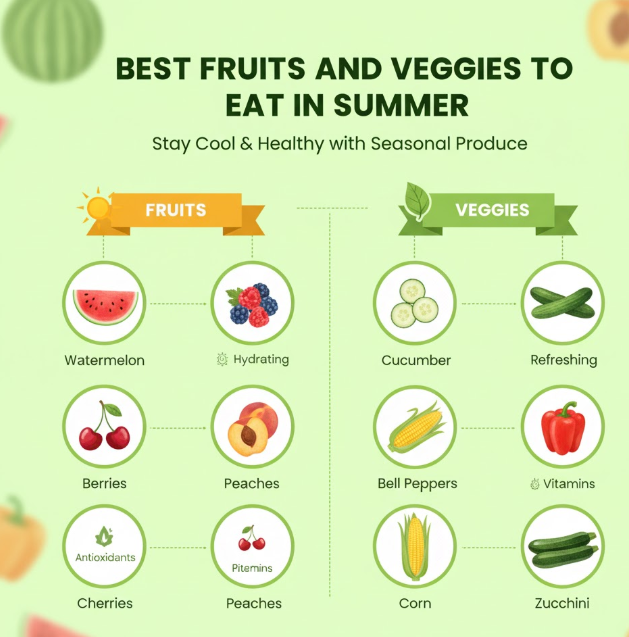
There’s sunlight, outdoor escapades and produce bursting with flavor: it must be summer. The truth is, when the temperature goes up, your body needs certain nutrients to help you stay cool, hydrated and energized. I don’t know about you, but I love how nature has a way of giving us just what we need to keep going through every season — and summer is no exception. The fruits and vegetables ripening during these hot months are full of water content, vitamins and minerals that help you beat the heat in a natural way.
Eating seasonally is more than just a fad; it’s also an easy (and delicious) way to eat smart and save money. Summer fruits and vegetables are in season, more flavorful, less expensive and packed with more nutrients than their off-season cousins. Whether you need to chill out, slim down, look after sensitive skin or simply quench your thirst, read on to find the best produce for whatever health issue you face.
Why Your Health May Depend on Eating Summer Produce
Summer fruits and vegetables have a magical marvel in their gut-friendly powers to aid your body in heatwaves. Your body sweats at a faster rate as temperatures rise, which means you need to supplement those lost liquids continually. Most summer foods are packed with 85-95% water, making them the perfect water source by nature.
In addition to hydration, these seasonal picks are packed with antioxidants that shield your skin from the sun’s damaging UV rays. Consider them your internal sunscreen. They also contain key electrolytes, such as potassium and magnesium, that you lose when you sweat. The vibrant hues of red, orange, yellow and green that summer produce boasts are a reflection of high levels of vitamins A, C and E – all essential for healthy skin (a summertime must!) and immunity during the sunny season.
Eating in season also means you’re eating food that’s fresher and hasn’t spent weeks being transported thousands of miles to your plate. That means better taste, more nutrients and a smaller environmental footprint.
Watermelon: The Ultimate Summer Hydrator
There’s no sound of summer more audible than the snap of biting into a cold, juicy chunk of watermelon. This iconic fruit is 92% water — so it’s one of the most hydrating foods you can eat. One cup will give you nearly a quarter of your daily vitamin C, and also includes vitamin A, which is great for healthy skin and eyes.
Watermelon also has the same potent antioxidant that earns tomatoes so much healthy respect: lycopene. This compound gives beets and watermelon its red hue, and has been associated with heart health and cancer prevention. The citrulline in watermelon has been shown to reduce muscle soreness after exercise, making it a great post-workout snack.
The best part? Watermelon is naturally sweet and it happens to be low in calories—just 46 per cup. It is versatile and you can enjoy it in a variety of different ways: cubed as part of fruit salads, blended into smoothies, grilled for a smoky twist or frozen to make popsicles. Its skin is also edible and can be pickled or stir-fried.
Cucumbers: Cool, Crisp and Wonderfully Refreshing
Cucumbers are possibly the most underappreciated of summer vegetables. Though they’re 96% water, they are even more hydrating than watermelon. These crispy veggies are incredibly low in calories and are rich in vitamin K, potassium and magnesium.
There’s a reason the phrase “cool as a cucumber” exists: cucumbers have anti-inflammatory properties and can lower body temperature. They have cucurbitacins and other compounds, as well as some vitamins and minerals that are in play when you cool down with them. And this is what makes them the ideal thing for a hot summer day to cool you from the inside out.
When it comes to the kitchen, cucumbers are the ultimate utility player. Slice them thin and put them in sandwiches, or roughly chop them and use them to dress salads; you can also quick-pickle these — a smart way to add tangy crunch to snacks. And they’re good as an infusing agent for water, too. You can even purée them into cold soups, like gazpacho, or use as the base for cooling face masks to soothe sun-exposed skin.
Tomatoes: Red, Ripe and Nutritious
Summer is the season of tomato greatness. Summer tomatoes that have basked on the vine can hardly be said to taste the same as their wan winter cousins. They’re juicier and sweeter, and they have more nutrients. Tomatoes are chockfull of vitamin C, potassium, folate and vitamin K.
The star compound in tomatoes is a red one called lycopene. Lycopene is a strong antioxidant which may reduce the risk of heart disease and some cancers. And cooking tomatoes increases the bioavailability of lycopene, meaning that your body can absorb more of it, so don’t avoid tomato sauces and soups.
Tomatoes are also very water-dense—at about 95%—which aids in hydration. They’re a great source of beta-carotene, which your body turns into vitamin A to help keep your skin in healthy shape and shield it from the damage caused by the sun.
From easy caprese salads to homemade salsas, roasted tomato pasta sauces to fresh tomato sandwiches—well, the list goes on and on. Cherry tomatoes are wonderful to snack on just off the vine, beefsteak ones are great for slicing.
Berries: Little Drops of Nutritional Power
It’s berry season! And while berries may be little, they are not just nutritional powerhouses; depending on how ripe they are, they can also pack a sweet and sour punch. Warm-weather months mean that strawberries, blueberries, raspberries and blackberries are at their peak. They contain antioxidants, fiber and vitamins in abundance, and are lower in sugar compared with many other fruits.
Blueberries are frequently labeled a “superfood” because they boast one of the highest antioxidant counts in all fruits. These antioxidants — namely anthocyanins — might boost your memory and lower the risk of heart disease. One cup of strawberries supplies your entire daily requirement, and they offer more vitamin C than oranges per ounce.
And raspberries and blackberries are fiber sources that aid in digestion and keep you full longer. The fiber also helps to steady blood sugar levels so that the energy crashes that come with other sweet treats don’t hit as hard.
Berries are great for breakfast bowls, smoothies and salads — not to mention for eating out of hand. Freeze them while they’re in season and keep reaping their benefits year-round. They also work as a convenient natural sweetener for your homemade ice cream or yogurt.
Bell Peppers: Crisp in Color, Plus All the Vitamins
Bell peppers appear in a spectrum of colors during summer — green, red, yellow, orange and even purple. Each color provides subtly different nutrients, but all bell peppers are rich in vitamins A and C. In fact, red bell peppers contain more vitamin C than oranges.
They’re about 92% water and only have 30 calories per cup, so they make excellent snacks. They are also loaded with carotenoids that can help maintain eye health and possibly lower the risk of chronic disease. Vitamin C also aids your body in producing collagen, which helps keep your skin tight and looking youthful when you’re running into the sun all summer long.
Bell pepper is really easy to cook. Slice them into crunchy dipping sticks, stuff them with grains and proteins, roast them for smoky sweetness or chop them for salads and stir-fries. They provide color, crunch and nutrition to nearly any dish.
Zucchini and Summer Squash: Mild, Versatile, Nutritious
Zucchini and its brethren emerge in abundance this time of year. Their flavor is light and these are on the subtle side, so they can be used with savory or sweet meals. They are 95% water and extremely low in calories, about 20 per cup.
Summer squash is a good source of vitamin C, potassium and manganese. They also have carotenoids, such as lutein and zeaxanthin, which are important for eye health. The fiber helps with digestion and allows you to feel full after meals.
Shred into “zoodles” and use as a pasta alternative: zucchini is also great when sliced and grilled, baked into breads or muffins, chopped in stir-fries and omelettes. Because it’s really pretty bland in flavor, it absorbs whatever seasoning you cook with, so it’s a great blank slate for endless dishes.
Corn: A Summer Treat, Surprisingly Good for You
Nothing can beat fresh corn on the cob in summer. Sweet corn is actually a whole grain and contains fiber, B vitamins and minerals such as potassium and magnesium. It’s rich in lutein and zeaxanthin, two antioxidants that help maintain healthy eyes.
Although corn is higher in carbohydrates and calories compared with most other summer vegetables, it is an excellent source of a variety of nutrients and provides long-lasting energy as well as satisfying fullness. The fiber helps control blood sugar and promotes digestive health. Yellow corn is colored with carotenoids, which are antioxidants in your body.
A squeeze of lime on grilled corn is a favorite, but you can also cut kernels off the cob to add to salads, salsas and soups. Corn can be roasted, boiled, grilled or even eaten raw (if it’s super fresh).
Peaches and Nectarines: Stone Fruits at the Peak of Perfection for Summer
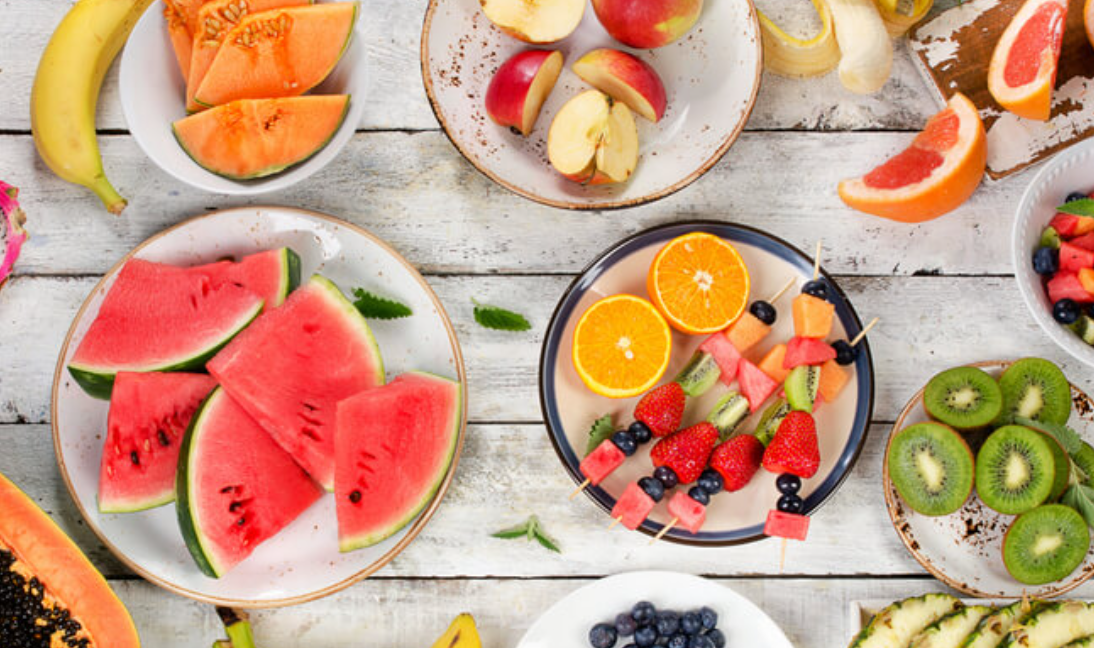
These fuzzy and smooth-skinned cousins are summer pleasures which, in their sweetness, also deliver on nutrition. Peaches and nectarines are both rich in beneficial vitamins A and C, potassium and fiber. They consist of about 85% water, which means you’ll be staying hydrated while indulging in a sweet treat.
The antioxidants in stone fruits, such as chlorogenic acid, may help ward off inflammation and chronic disease. They’re also rich in vitamin A and promote your skin’s health – which as we all know, is crucial during sun-loaded summer months. They pack a fiber punch, which helps with digestion and makes you feel full.
Snack on peaches and nectarines as is, grill them to create caramelized delights, bake the fruit into cobblers or pies or blend them for smoothies. They’re also great in savory dishes, like with grilled chicken or pork or chopped into summer salads.
Leafy Greens: Summer Salad Superstars
Summer is a time for all the beautiful, bountiful leafy greens, from delicate lettuce to spicy arugula and spinach. These greens are a low-calorie, nutrient-dense source of vitamins A, C and K, as well as minerals including iron and calcium. They are full of water, so they’re hydrating and cooling.
Dark leafy greens are brimming with antioxidants and anti-inflammatory agents that save your body from stress and disease. They’re also high in folate, which is necessary for cell growth and DNA formation. They also have fiber for a healthy tummy and to keep your energy levels stable.
Big fresh salads as a main dish are one of life’s pleasures, and summer is the ideal season to grow a variety of lettuce. Combine different greens for texture and flavor variety, and add colorful vegetables and fruits; top with lean proteins. Greens can be added to smoothies, sautéed as a side dish or used as wraps in place of bread.
Cherries and Their Health Benefits
The time for cherries is short, but glorious. These bite-sized red fruits are packed with anthocyanins, antioxidants that contribute to cherry’s deep red color. There is research to suggest cherries could help reduce inflammation, improve sleep quality and speed up muscle recovery time following a bout of exercise.
Sweet cherries and tart cherries offer their own health benefits, though tart varieties are higher in some beneficial compounds. They pack vitamin C, potassium and fiber. Cherries are sweet but they have a relatively low glycemic index, so they won’t spike your blood sugar too much.
Eat cherries raw as a snack, toss them in yogurt or cereal, bake them into desserts, or freeze them for refreshing make-your-own popsicle treats. Tart cherry juice has gained popularity as an athletic recovery drink and a natural sleep aid.
Mangoes: Tropical Sunshine in the Form of a Fruit
Though available year-round in some regions, mangoes enjoy peak season during the summer. These tropical fruits are full of vitamins A and C, which support the immune system and healthy skin. They’re packed with more than 20 vitamins and minerals and are true nutritional powerhouses.
Mangoes are full of digestive enzymes which aid the breakdown of proteins and maintain a healthy gut. The antioxidants, which include mangiferin, have been shown to have anti-inflammatory effects and may also help protect against heart disease. The fiber helps with digestion and can assist in balancing blood sugar.
Mangoes can be eaten fresh, blended into smoothies, diced as salsas, thrown into salads and frozen as desserts. They’re good with sweet or savory and can be used in many ways in the kitchen.
Comparison Table: Nutritional Value of the Best Summer Produce
| Fruit/Vegetable | Water Content | Key Vitamins | Special Benefits | Calories per Cup |
|---|---|---|---|---|
| Watermelon | 92% | A, C | Heart health | 46 |
| Cucumber | 96% | K, Potassium | Anti-inflammatory, cooling | 16 |
| Tomatoes | 95% | C, K | Lycopene for skin protection | 32 |
| Strawberries | 91% | C | Antioxidants, fiber | 49 |
| Blueberries | 85% | C, K | Brain health, memory | 84 |
| Bell Peppers | 92% | A, C | Vision health, collagen | 30 |
| Zucchini | 95% | C, Potassium | Versatile use | 20 |
| Peaches | 85% | A, C | Digestive system | 60 |
How to Choose and Store Summer Produce
Making the most of ripe summer fruits and vegetables begins with selecting the right ones at a store or farmers market. Seek out produce that is firm, bright in color and free of wrinkles, bruises or soft spots. The smell is important too — ripe fruits should have a sweet, enjoyable scent.
When it comes to watermelons, search for a white or yellow spot on the bottom of the melon where it sat on the ground, and heavy is better. The berries should be plump and dry, free of any mold. They should yield a bit when pressed gently but generally feel firm, rather than mushy.
Storage varies by item. Refrigerate most berries; use them within a few days. Tomatoes are at their most delicious when stored on the counter, out of direct sunlight. Cut watermelon keeps in the refrigerator for up to a week. Leafy greens should be washed, dried well and stored in the crisper with a paper towel to catch condensation.
A lot of summer produce can be frozen for future use. Wash, dry and chop it first before freezing it in a single layer on baking sheets, then packing into freezer bags when solid. This keeps the mixture from clumping, which means you can access just what you need when it’s time to use them.
Easy Ways to Eat Summer’s Bounty
Eating more of summer’s tender, juicy and flavor-packed fruits and vegetables doesn’t have to be complicated. Begin your day with a smoothie loaded with berries, spinach and mango. Add cut up slices of cucumber and tomato to sandwiches for crunch and added nutrition. Nibble on bell pepper strips, or fresh fruit, instead of processed snacks.
Turn your biggest salads in the day into meals by loading mixed greens with juicy vegetables, fresh fruit, nuts and lean protein. One easy, flavorful side dish is to grill vegetables along with your main protein. Maintain visibility of cut-up fruits and vegetables in your refrigerator. Make sure they are the first thing you see when you’re hungry.
Experiment with “meatless Monday” meals that revolve around summer veggies — think stuffed peppers, zucchini boats or tomato-y pasta dishes. Purée vegetables in soups, including cold ones like gazpacho. Substitute sugary sweets with fruit or ice-based treats like sorbet.
For more ideas on seasonal eating and healthy recipes, check out the USDA’s Seasonal Produce Guide.
Protecting Your Summer Harvest: Food Safety Questions and Answers
Summer heat can allow bacteria to reproduce rapidly on fresh produce. Always wash fruit and vegetables under running water before eating, even if you’re going to peel. Use a clean produce brush for things with hard surfaces, like melons and cucumbers.
Cold food should be kept cold, and hot food should be kept hot. Don’t leave cut fruit or vegetables on the counter for longer than two hours, or one hour if it is hotter than 90°F. Keep produce in the refrigerator at a temperature of 40°F or lower.
Keep raw vegetables and uncooked meat, poultry, and seafood separate in shopping cart, grocery bags, and refrigerator. Avoid cross-contamination by using separate cutting boards for fruits and vegetables and raw proteins.
When purchasing pre-cut fruits and vegetables, select only those that are refrigerated or surrounded by ice. Also, do a little expiration-date check here, and for best freshness and safety, buy only what you’ll use in the next few days.
Frequently Asked Questions
Q: Is frozen summer produce as healthy as fresh?
A: Yes! Frozen fruits and vegetables are usually flash frozen when they’re at peak ripeness — where all their nutrients are at optimum levels. Occasionally frozen choices even have more vitamins and minerals than fresh produce that’s been languishing on the shelves or in your fridge for days. Frozen fruit or vegetables are convenient, affordable and help reduce food waste.
Q: How much of the water in summer fruits and vegetables do humans actually drink?
A: High-water content fruits and vegetables can help meet hydration requirements. Foods such as cucumbers, watermelon and tomatoes are more than 90% water. Eating multiple portions during the day can contribute 2-3 cups of water to your daily target hydration.
Q: Is it true that eating summer produce can actually help to protect my skin from sun damage?
A: There are no foods that can replace the slip-slop-slap (slip on a shirt, slop on sunscreen and slap on a hat) mantra for sun protection. But some nutrients in summer fruits and veggies provide a bit of internal SPF (sun protection factor). The lycopene, beta-carotene and vitamin C help protect skin cells from UV damage. Taken regularly it may slightly decrease skin’s sensitivity to sunburn however you should always protect your skin in the sun.
Q: Is it worth paying extra for organic summer fruits and vegetables?
A: Your priorities and your budget will determine. Certain types of produce, such as strawberries, spinach and tomatoes also often have more pesticide residues compared to other types of fruit or vegetables when grown conventionally. If you can’t afford organic, prioritize these. Produce with thick peels like watermelon are less important to buy organic.
Q: What can I do to make summer produce last longer?
A: Storage is key. Store berries in the refrigerator and do not wash until you are ready to eat. Store tomatoes at room temperature. Most leafy greens fare best in the crisper with decent air circulation. Do not wash until you are ready to use them, as added moisture promotes spoilage.
Q: When is the best time to shop for summer produce for maximum freshness?
A: You can go to the farmers markets and grocery stores early in the week, when they are freshly stocked. In the morning, there’s usually a better selection and fresher products. Produce at farmers markets is typically harvested within 24 hours of the market, so it’s often fresher than what you’ll find at a store.
Q: Is it possible to eat too much fruit because of the sugar?
A: Whole fruits have natural sugars, plus fiber (which slows sugar absorption), vitamins and water. Eating several servings of whole fruit a day is good for most people. The fiber slows the absorption of blood sugar and keeps you feeling satiated. If you have diabetes, work with your health care provider for serving sizes that are right for you.
Q: What are some creative strategies to encourage kids to eat more summer vegetables?
A: Make it fun! Make colorful vegetable skewers for grilling, have kids use raw vegetables as a vehicle for healthy dips, work veggies into smoothies with sweet fruit, make “ants on a log” with cucumber instead of celery or get them involved in growing and preparing the vegetables to pique children’s interest.
Closing Out Your Summer Nutrition Adventure
Summer is a great time to flood your body with the freshest and most hydrating foods that nature has to offer. And you’re giving yourself exactly what your body is craving to beat the heat too, by taking advantage of all the health benefits packed into summer produce.
The fruits and vegetables that come to harvest during the summer are nature’s way of helping you stay cool, hydrated and alert. They’re packed with vitamins that help protect your skin from sun damage, minerals to replace those you lose when you sweat and antioxidants that fight inflammation and disease. And they taste wonderful and are less expensive when in season.
Begin with just a little bit if you’re not already eating heaps of produce. Add one or maybe two new summer fruits or vegetables to your routine every week. Look for new-to-you varieties at a farmers market. Taste to see which preparation you prefer the most. The more colorful your plate, the more diverse your nutrient intake.
Keep in mind that when you eat seasonally, you are tapping into the natural rhythm of the earth and supporting local farmers. It’s an eco-friendly way of eating your food and often exposes you to different tastes and crops that aren’t always available in stores during the off season.
How about an assignment for this summer: to taste all the fruit and vegetables on this list? Your body will repay you with more energy, proper hydration, radiant skin and better health in general. Summer eating is something to be enjoyed, not endured — and you’ve got more delicious options than ever to help keep your body feeling light and refreshed all season long.